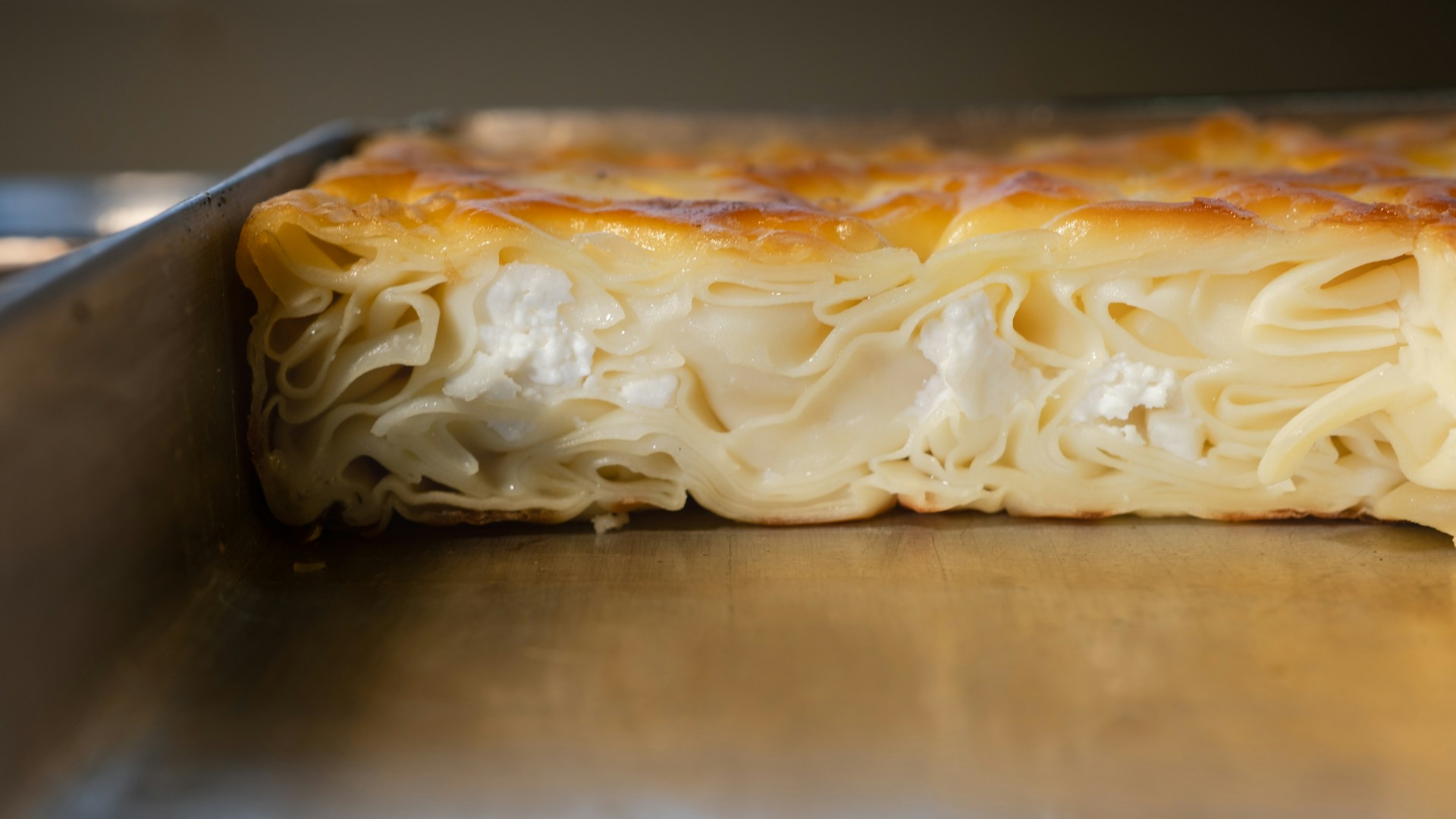
Golden baked pastry with creamy cheese filling (Turkish börek) Photo by Murat Demir on Unsplash
Imagine ordering burek at a small bakery in Bosnia. You walk in smiling confidently and ask for:
“Burek with cheese, please.”
The man behind the counter raises an eyebrow.
“You mean sirnica?”
A couple of customers chuckle. You smile back, slightly confused, and quickly learn that something as simple as a pastry can spark passionate debates, proud corrections, and a lot of laughter among locals.
Welcome to the Games of Burek.
What Is Burek? Link to heading
Burek, or börek in Turkish, is simply a pastry made with thin, flaky dough, usually filo-style, wrapped or layered around a filling.
Simple enough, right? Well, not quite. Because once you ask what the pastry is filled with, you have officially entered the limbo where the Games of Burek begin.
If you ask the Turks, who introduced börek to the region, they might tell you:
Burek can have any filling you like.
The Bosnian response?
“Šta Turci znaju?” “What do Turks know?” 😂
And just like that, the battle lines are drawn.
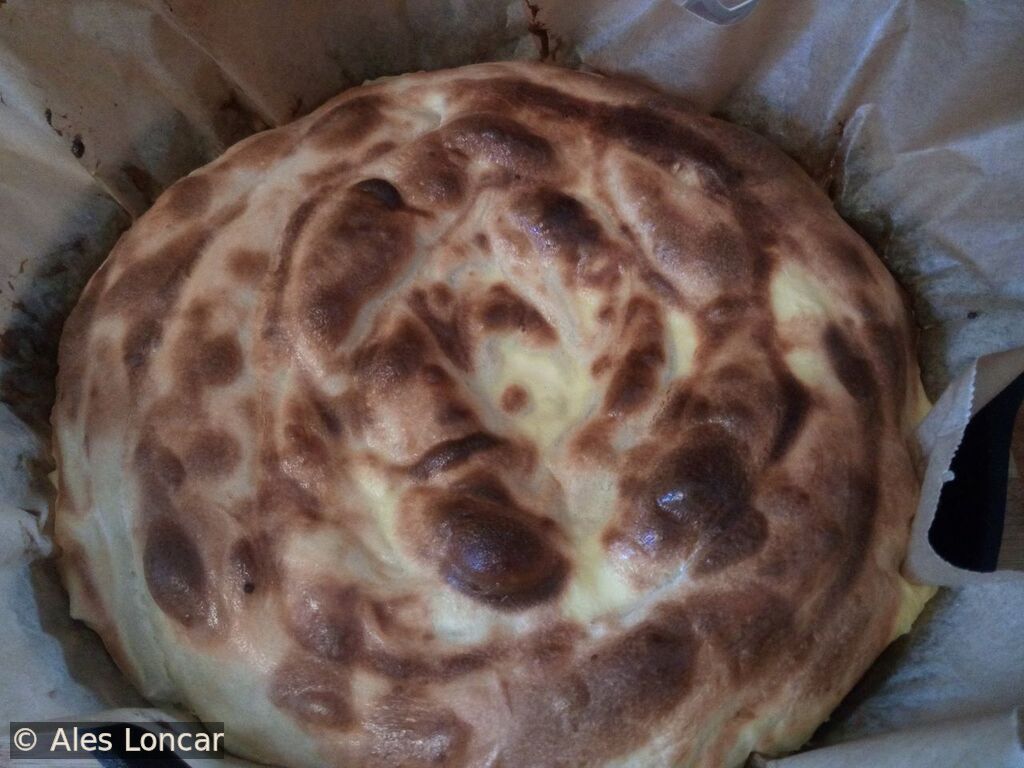
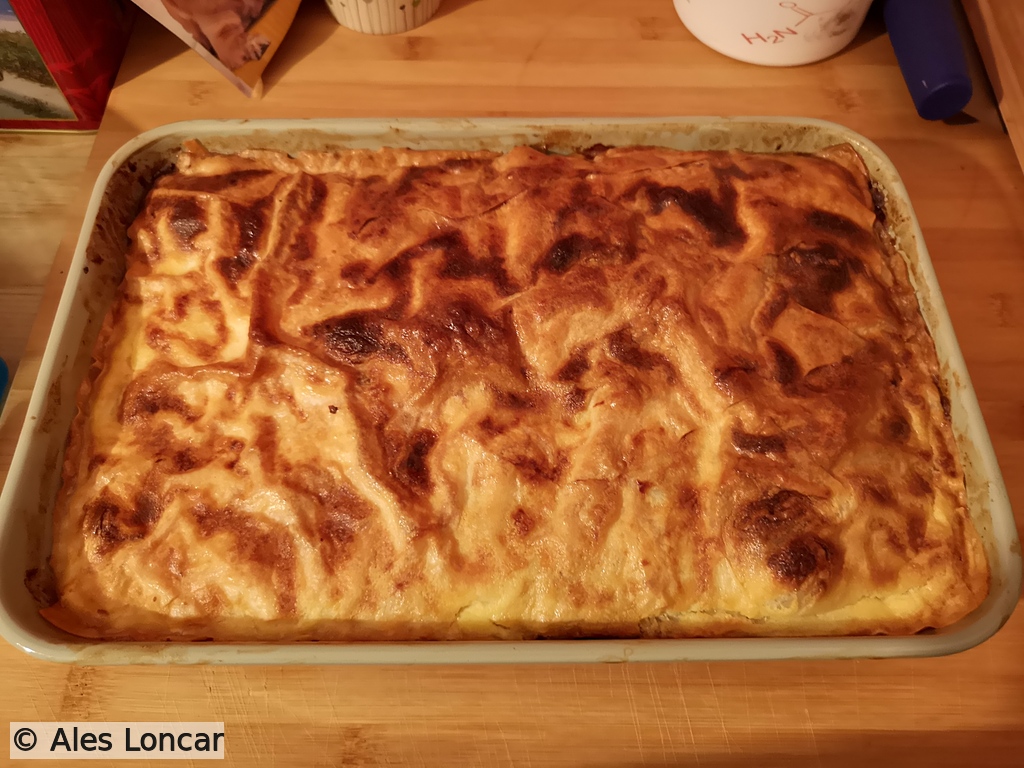
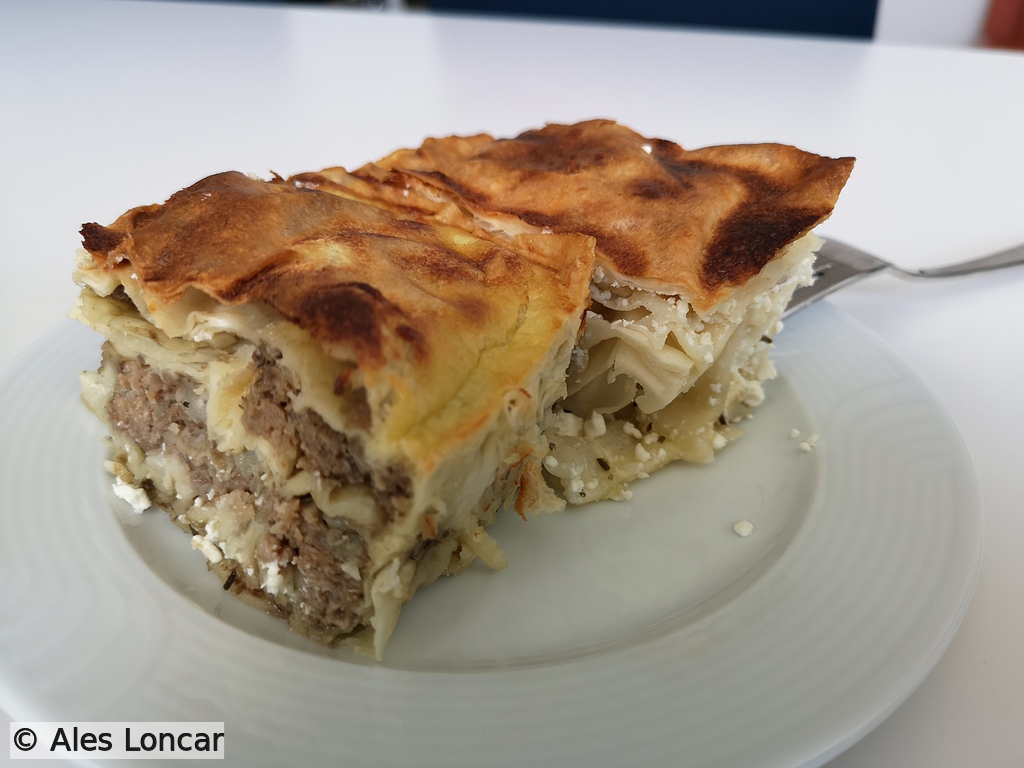
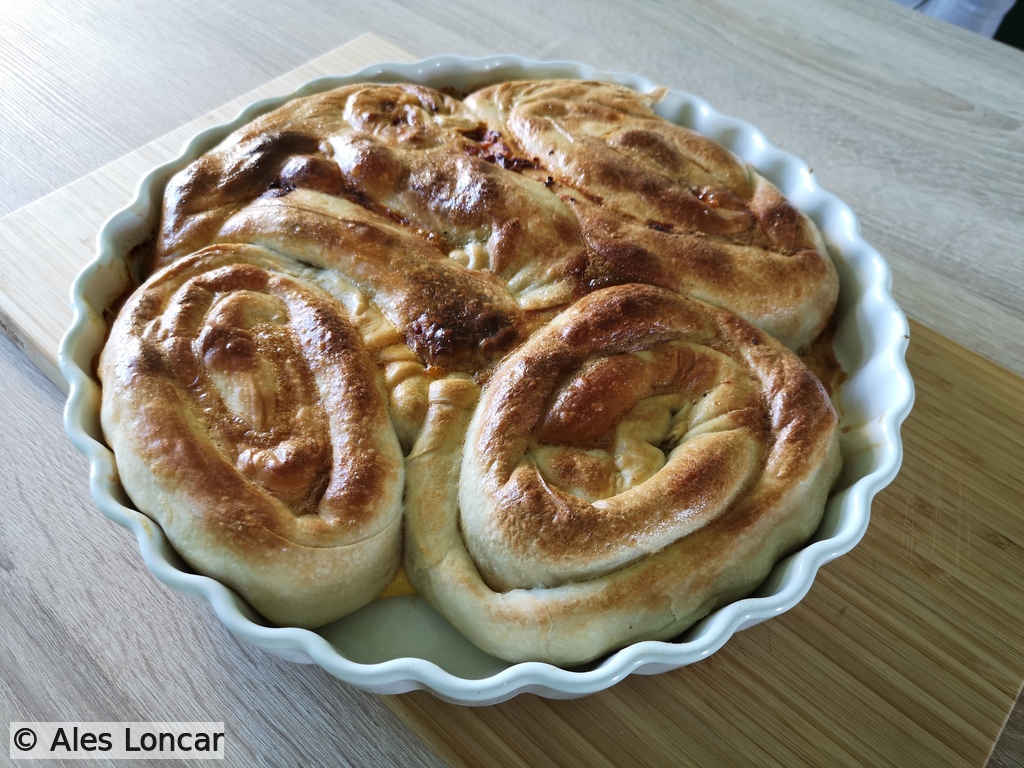
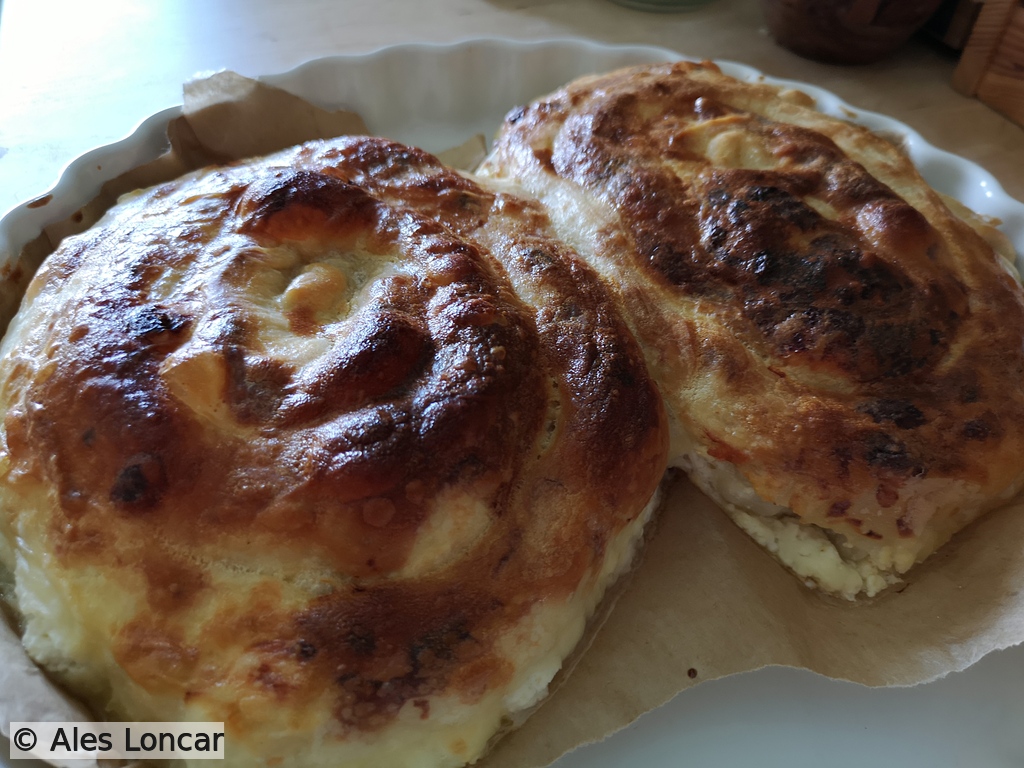
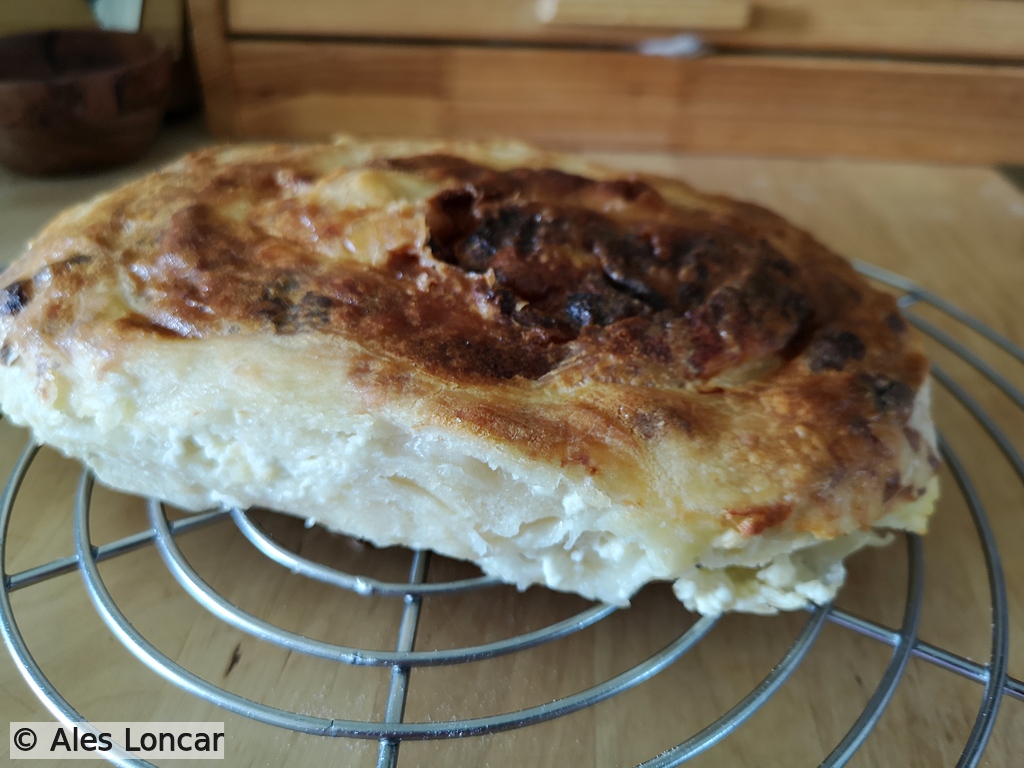
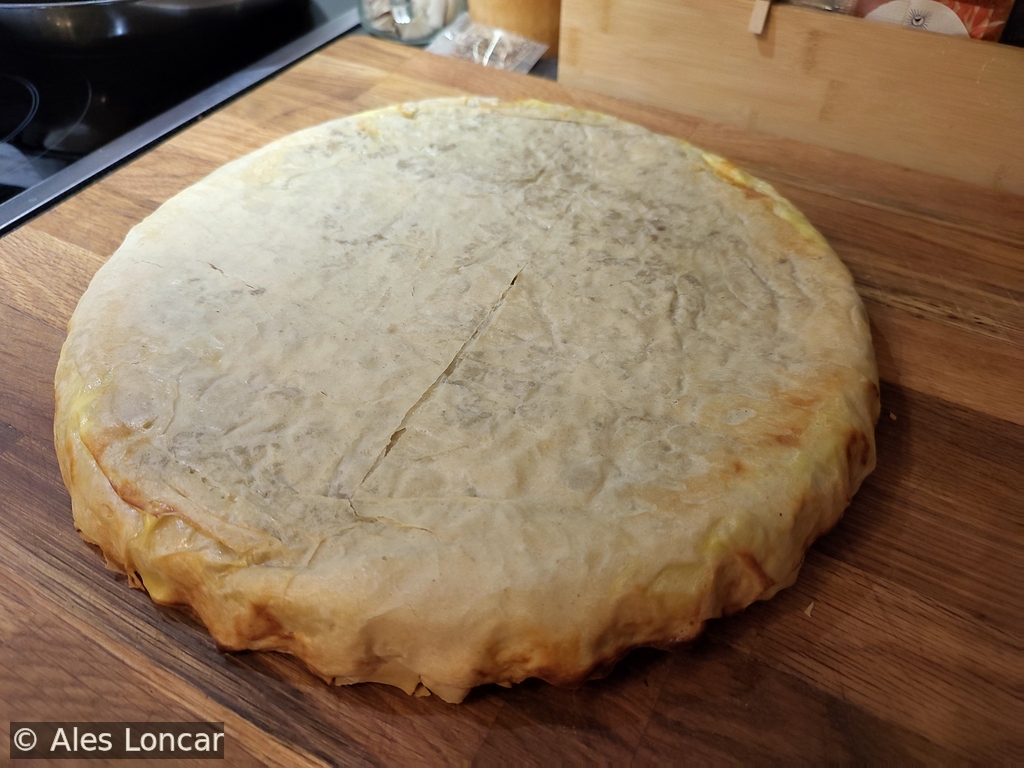
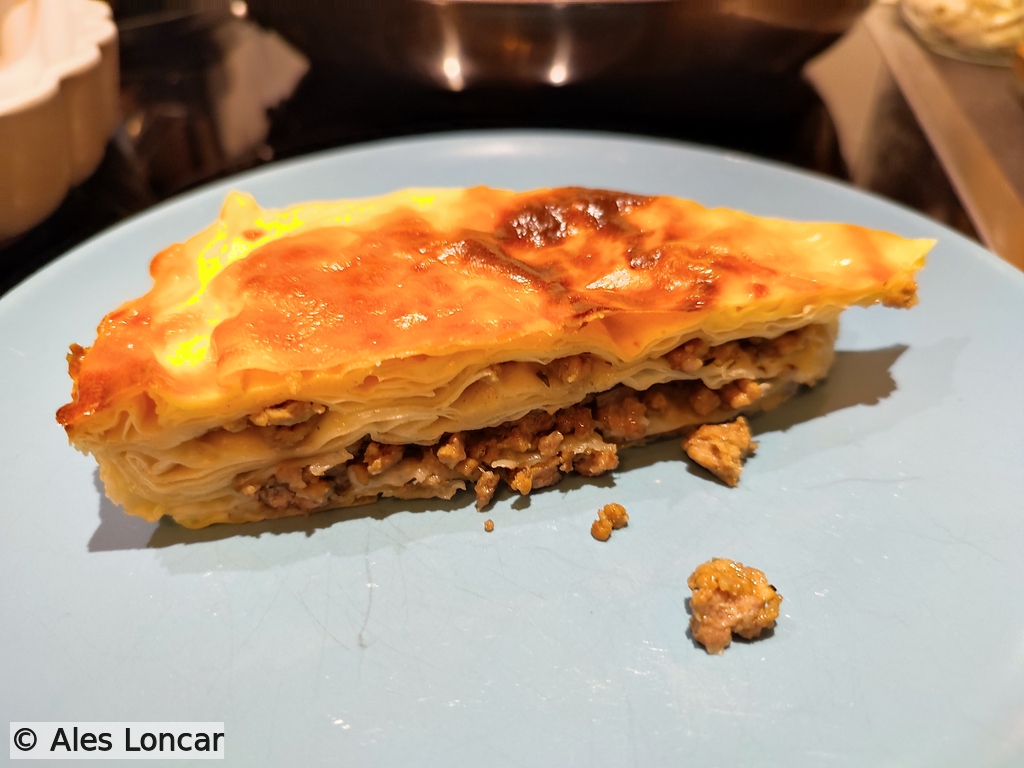
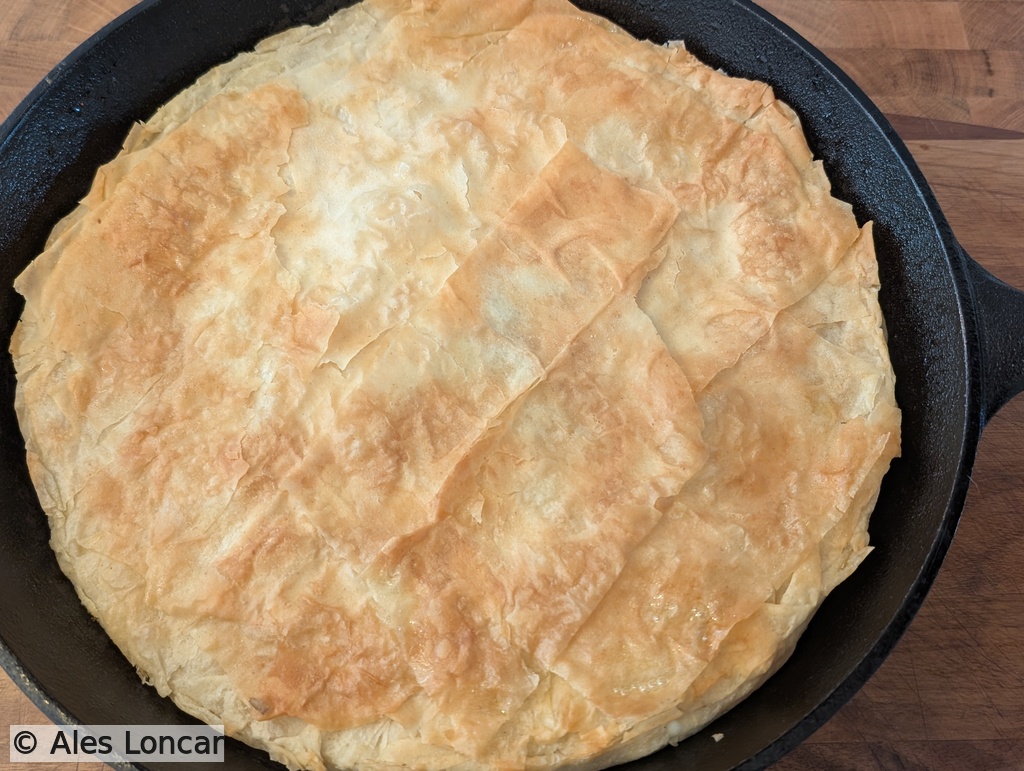
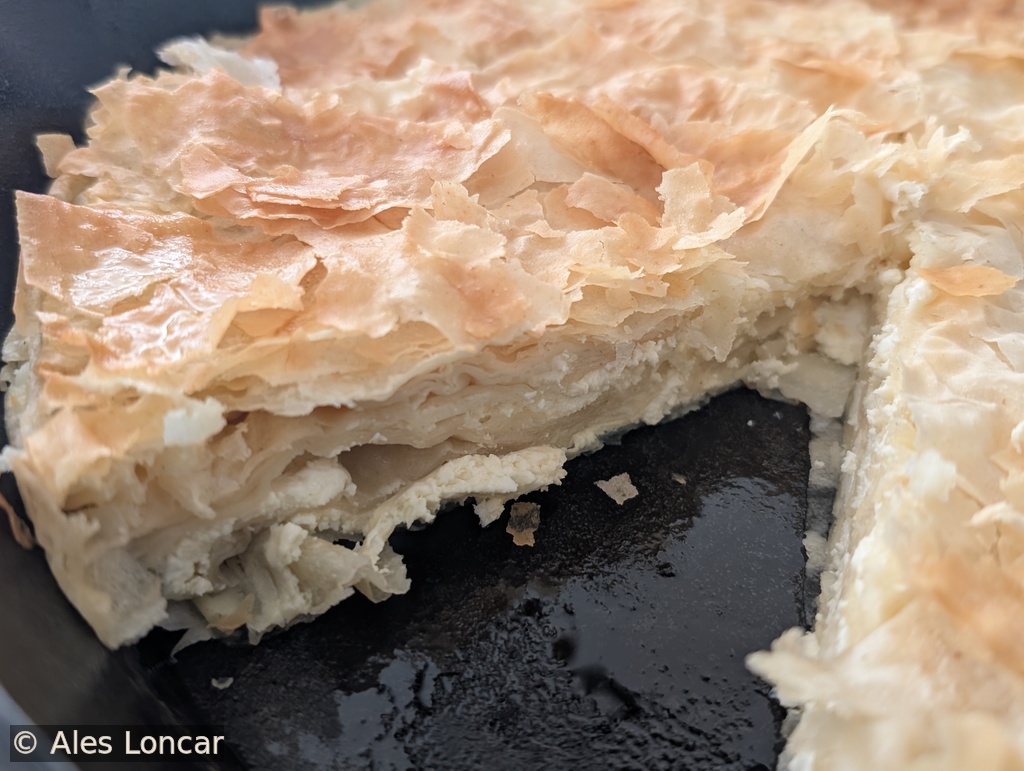
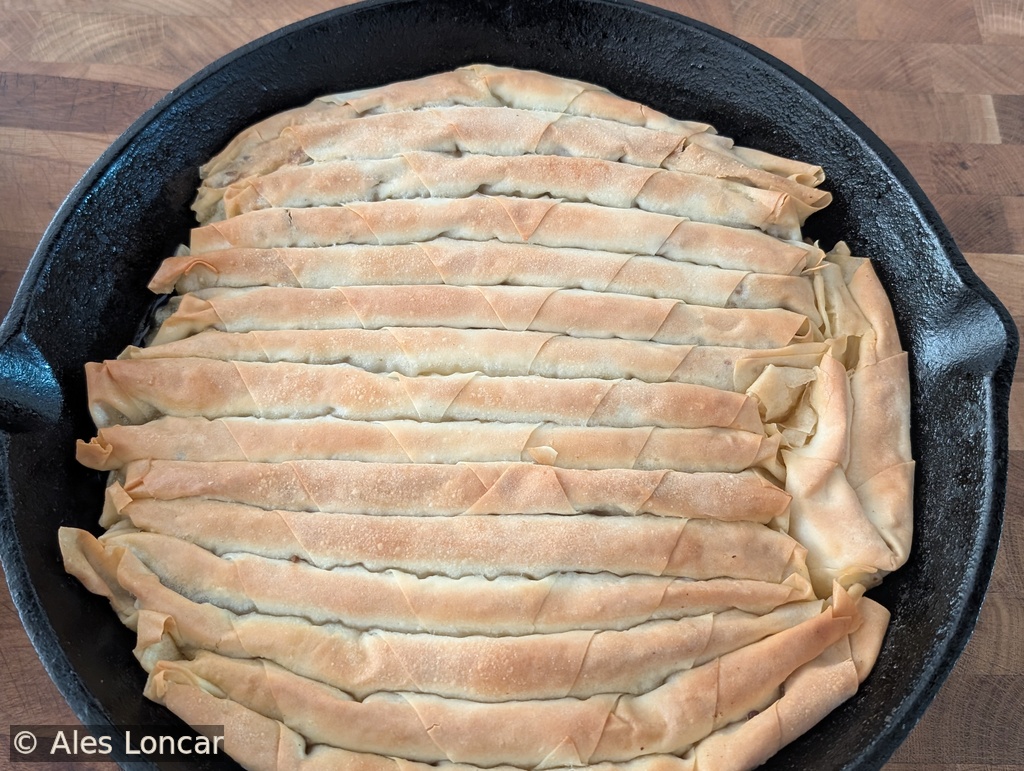
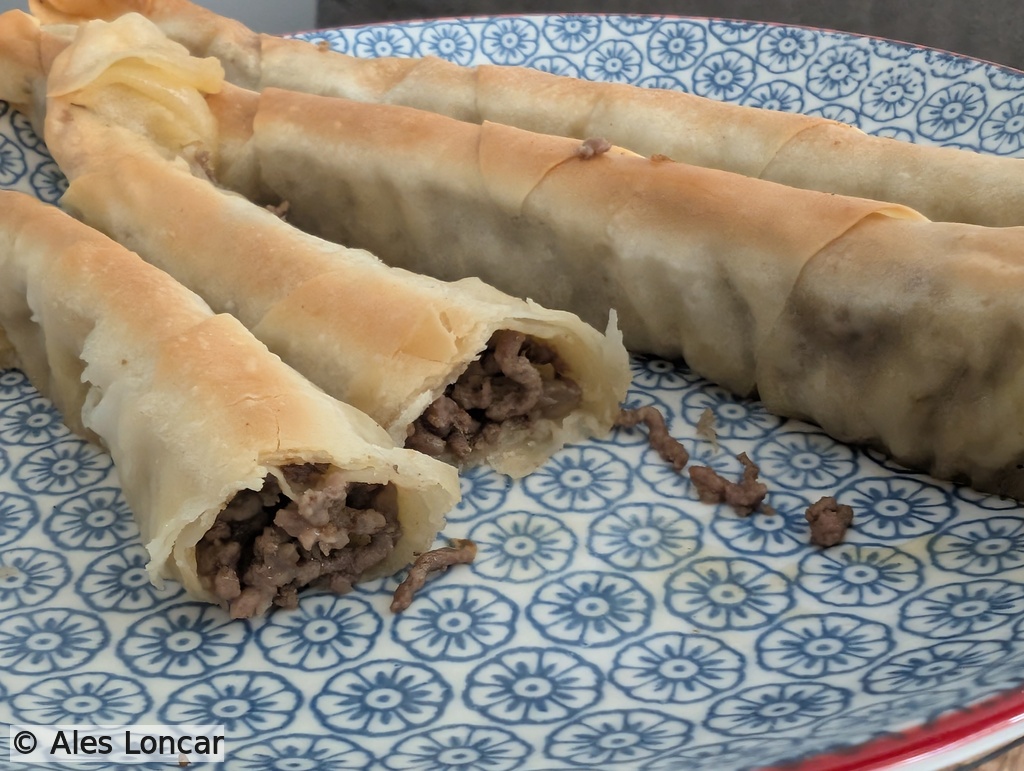
Some of my attempts of homemade burek and other filled pastries Link to heading
The Core Dispute Link to heading
The great burek conflict centers on one simple question: Does burek mean any filled pastry, or only a meat-filled one?
The Bosnian View Link to heading
In Bosnia and Herzegovina, burek is exclusively filled with meat.
Other versions have their own names:
- Sirnica: cheese-filled pita
- Zeljanica: spinach or greens-filled pita
- Krompiruša: potato-filled pita
- … and so on.
Together, these pastries are usually called pita.
So, in Bosnia, saying “burek with cheese” is a bit like saying “meat pie with cheese, but without meat.”
It sounds wrong, and someone will probably correct you. Possibly loudly. 📢 Possibly with love. ❤️ Possibly both. 😍
Regional Variations Link to heading
In Slovenia, Croatia, Serbia, and other parts of the former Yugoslavia, burek is often used as a broader term for filled pastry in general.
So you may hear people order: burek with cheese, spinach, potato, or whatever filling they like.
This, of course, can lead to heated discussions when people from different regions meet at the same bakery counter.
And honestly, that is part of the fun. 🤣
The Scaffold Legend Link to heading
There is also a popular Balkan internet joke claiming that every time someone mistakenly calls sirnica, zeljanica, krompiruša a “burek,” a Bosnian falls off a scaffold in Germany. 😂
Is it true? Of course not.
It is simply a humorous exaggeration of how seriously some people take the correct naming of pies. But like many good jokes, it contains a tiny grain of cultural truth.
No Matter the Name, Eat It Link to heading
Whether you call it burek, sirnica, zeljanica, krompiruša, pita, or simply “that amazing flaky thing from the bakery,” one thing is certain:
It is best eaten warm, crispy, and preferably with yogurt on the side.
And if you cannot get to a proper Balkan bakery, you can make a simple version at home.
For beginners, store-bought filo dough is the easiest option. If you are feeling adventurous, you can make your own dough, but rolling it thin enough takes practice, patience, and maybe a few emotional support snacks.
Beginner-Friendly versions Link to heading
Use ready-made filo dough and choose your filling. No matter which side of the naming debate you are on, the result will be delicious.
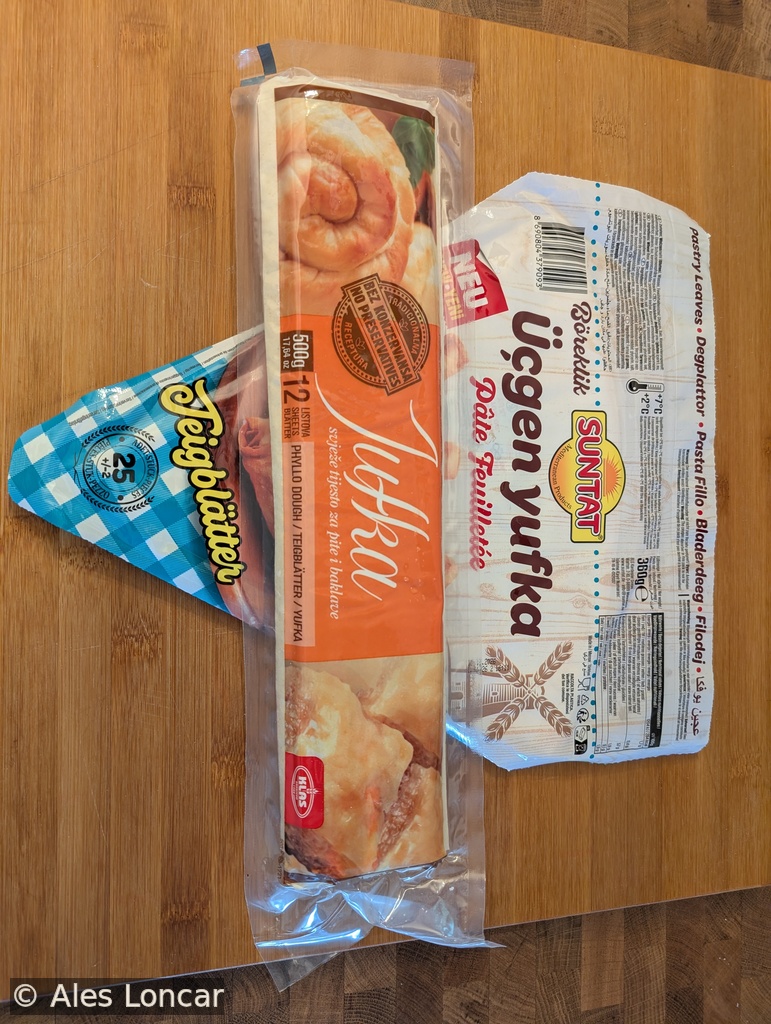
Two variants of ready-made filo dough
Ingredients Link to heading
- Ready-made filo dough
- Filling of your choice
- Lard, melted butter, or oil for brushing
How to Shape It Link to heading
You can roll or fold the dough around the filling. Be creative! The traditional spiral shape is popular, but you can also make simple rectangular or triangular pies. Don’t worry about making them look perfect. The taste is what matters.
Baking Link to heading
Preheat the oven to 200°C.
Bake for 30–35 minutes, or until the pastry is golden brown and crispy.
If the top browns too quickly, cover it loosely with foil and continue baking until done or brush the top with a little mix of oil and water to prevent burning.
Tips for Success Link to heading
- Do not overfill the pastry.
- Use a thin, even line of filling when rolling.
- Seal the ends with a little mix of oil and water if needed.
- Brush generously with melted butter, lard, or oil for a crispier result. I am usually using a mix of oil and water, which gives a nice golden color without being too heavy or greasy.
- Bake until deeply golden and flaky.
If You Want to Make Your Own Dough Link to heading
If you know how to make your own dough, go for it. The tricky part is rolling or stretching it very thin. That takes practice, but the ingredients are simple. For a basic dough, you will need:
- ½ kg flour
- 300 ml warm water
- 10–15 g salt
Mix the ingredients into a smooth dough, knead it well, let it rest, and then roll or stretch it as thinly as possible. It should be thin enough to almost see through. This is where the real craft begins.
Final Thoughts Link to heading
The burek debate will probably never be settled. 🤔
Bosnians (🇧🇦) will defend the meat-only definition. Others (🇸🇮, 🇭🇷, 🇷🇸) will keep ordering cheese burek without fear. Turks (🇹🇷) may smile in the background and remind everyone that börek came first.
And somewhere, someone will still joke about a Bosnian on a scaffold in Germany.
But at the end of the day, whether you call it burek, sirnica, zeljanica, krompiruša, or just “that delicious pastry,” the most important thing is to enjoy it. 😄
Stay tuned as there are recipes coming soon for all the different fillings.